Culture Houses
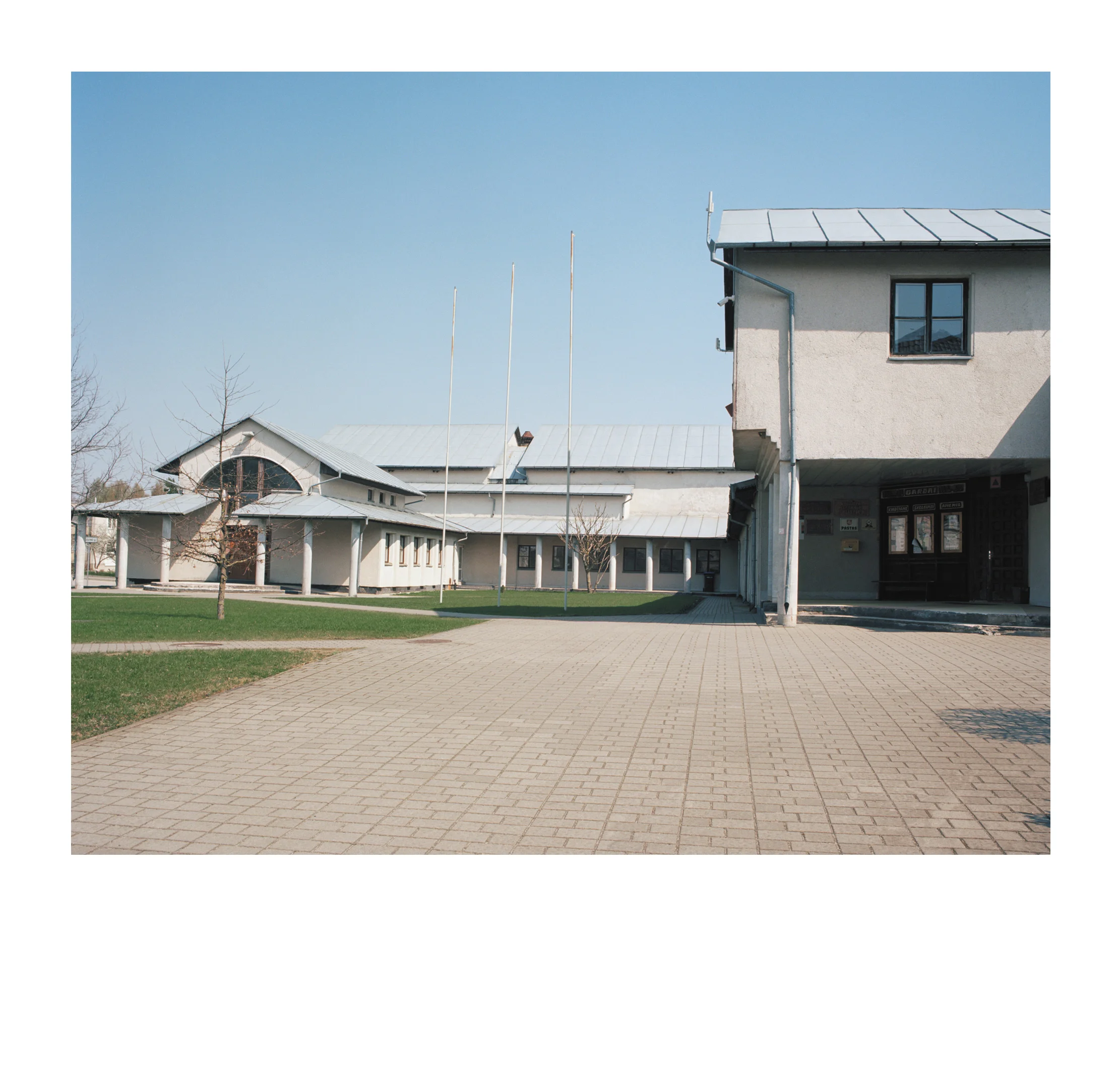
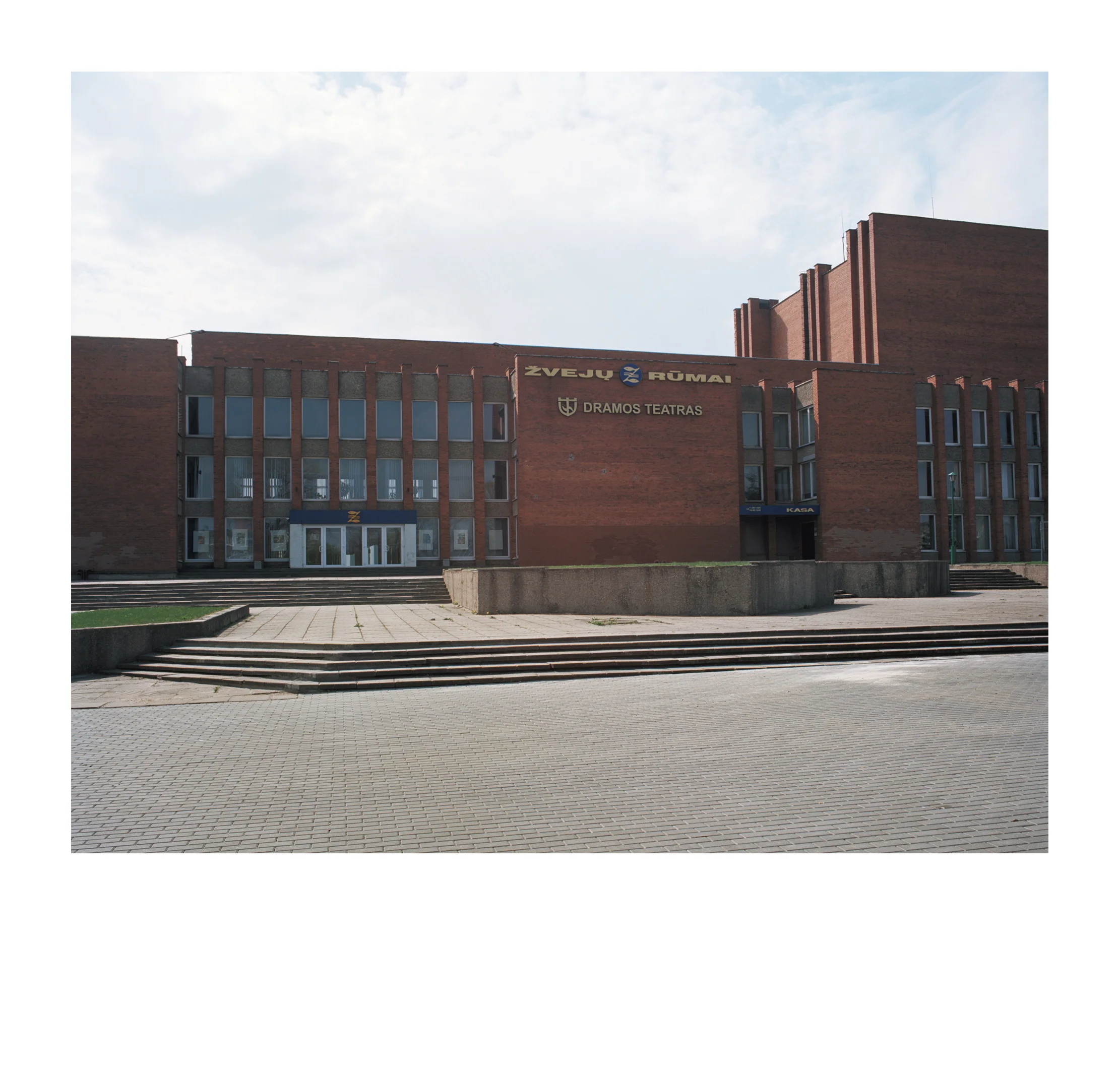
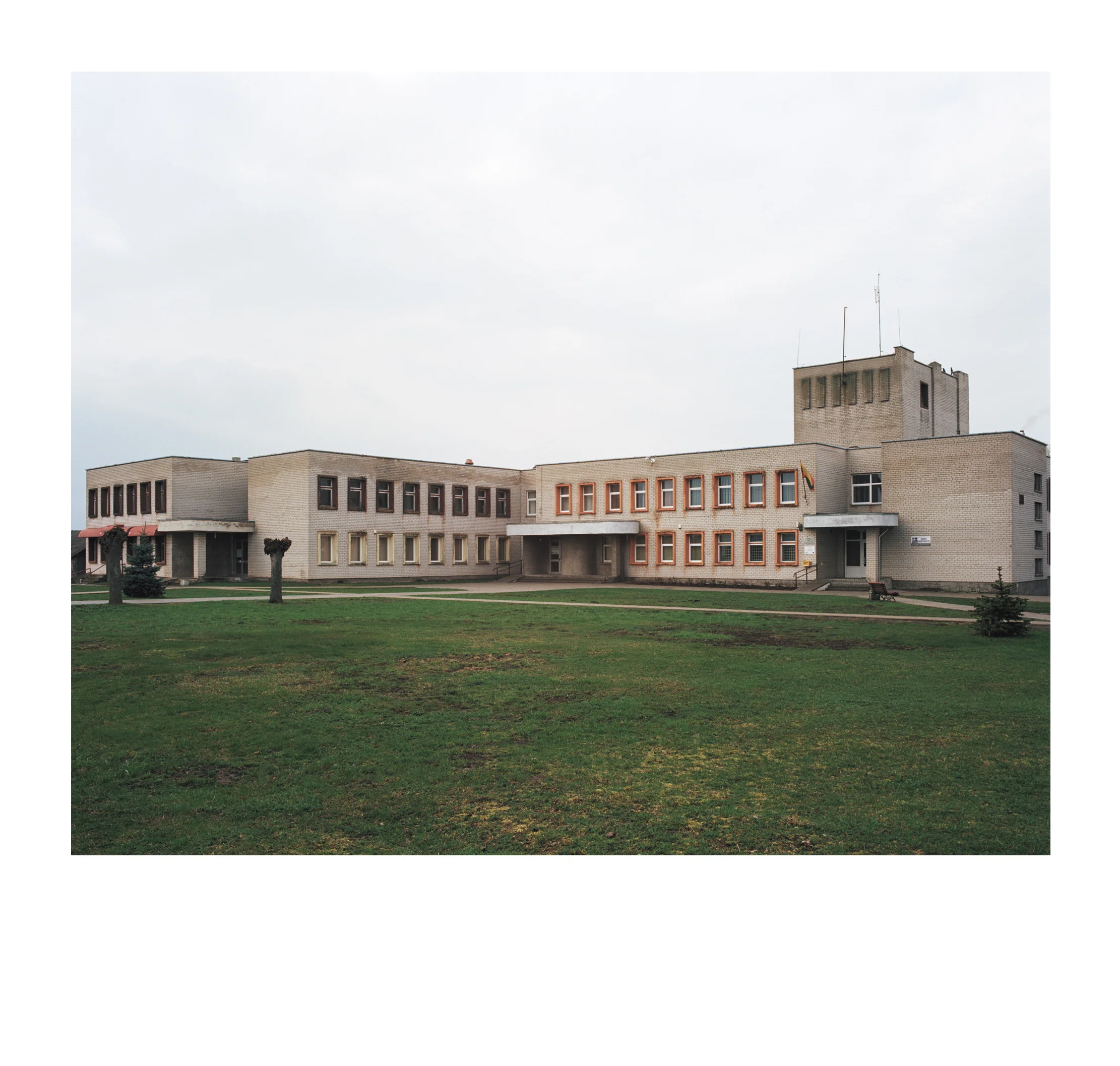
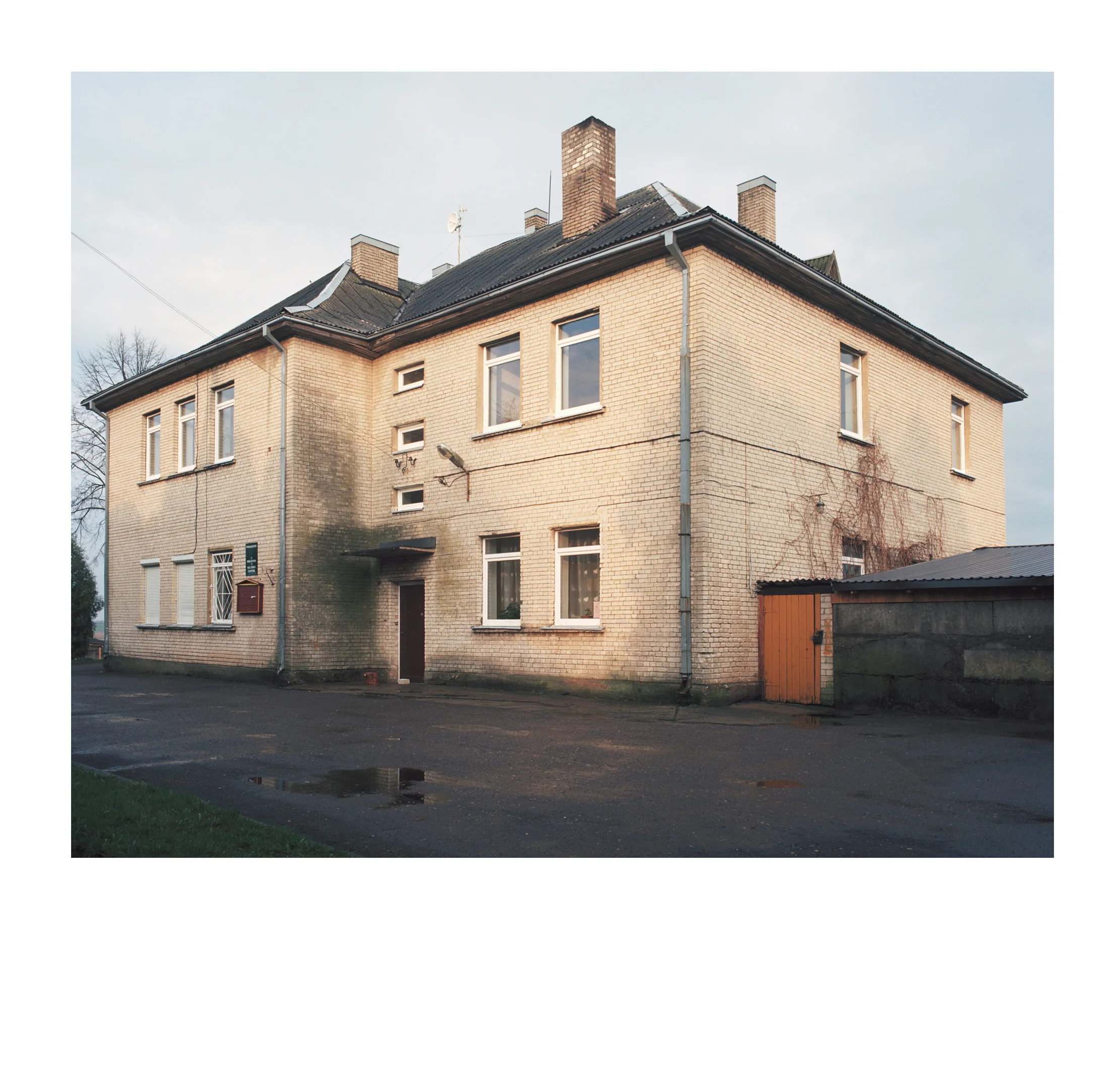
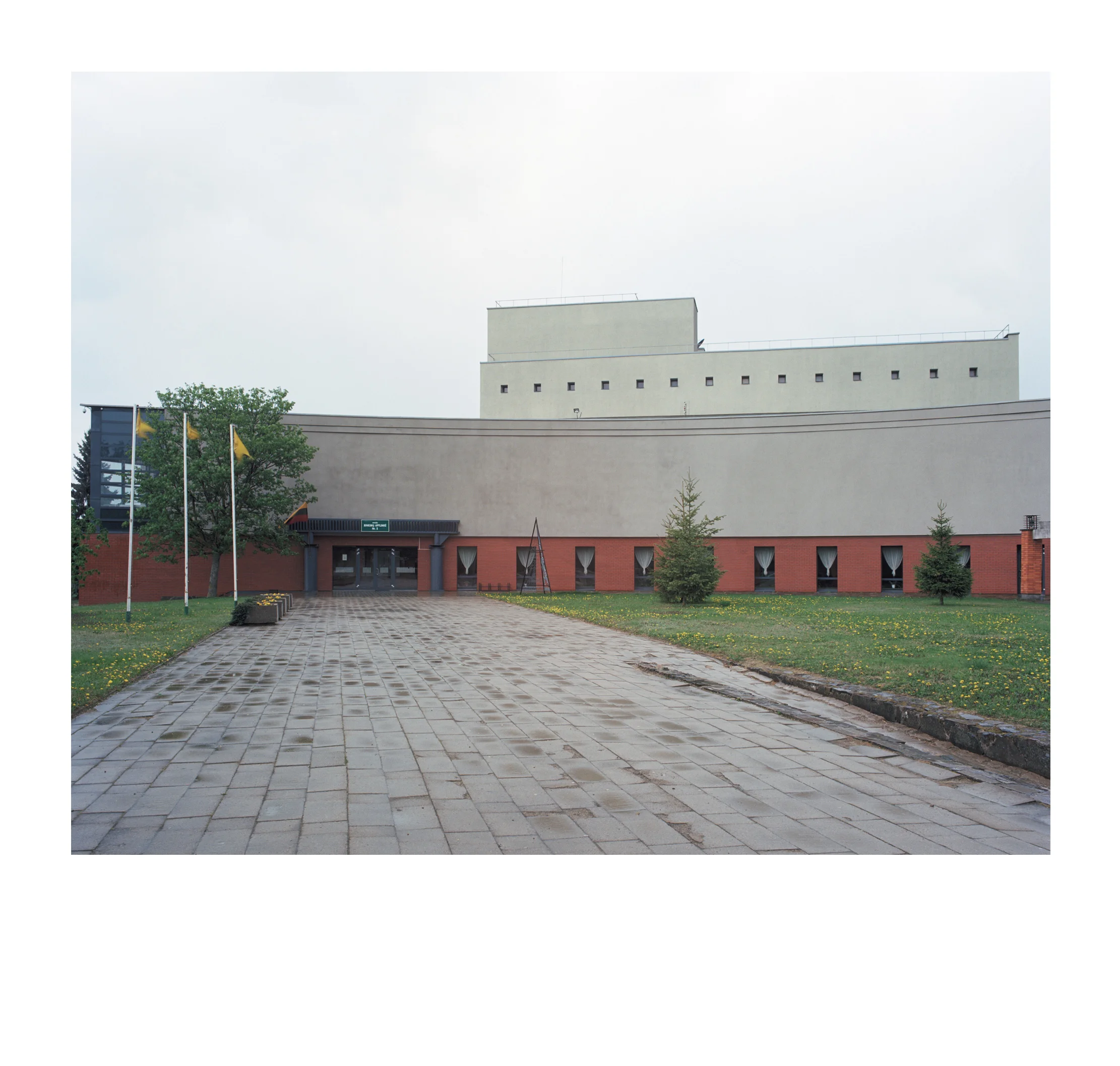
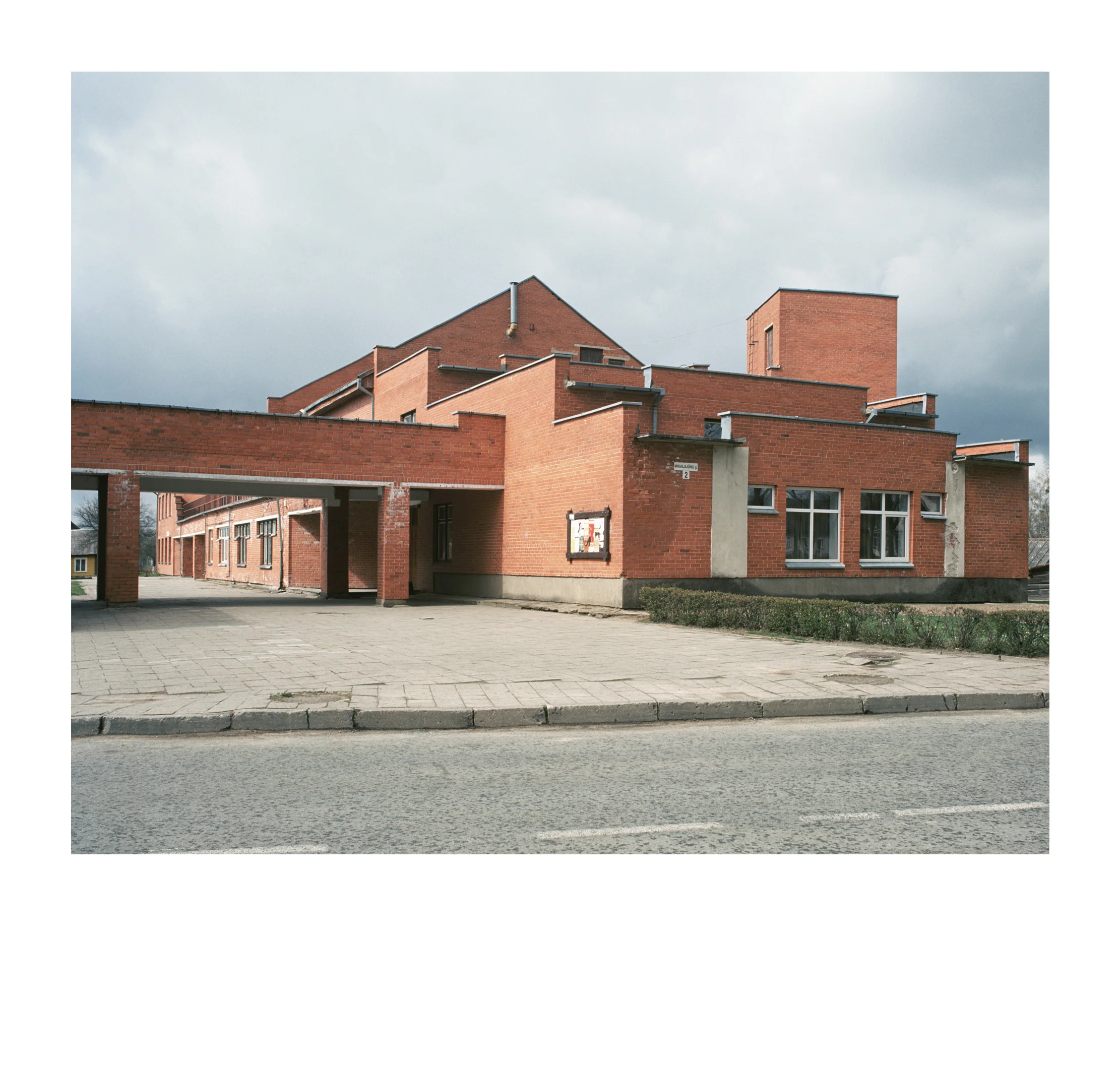
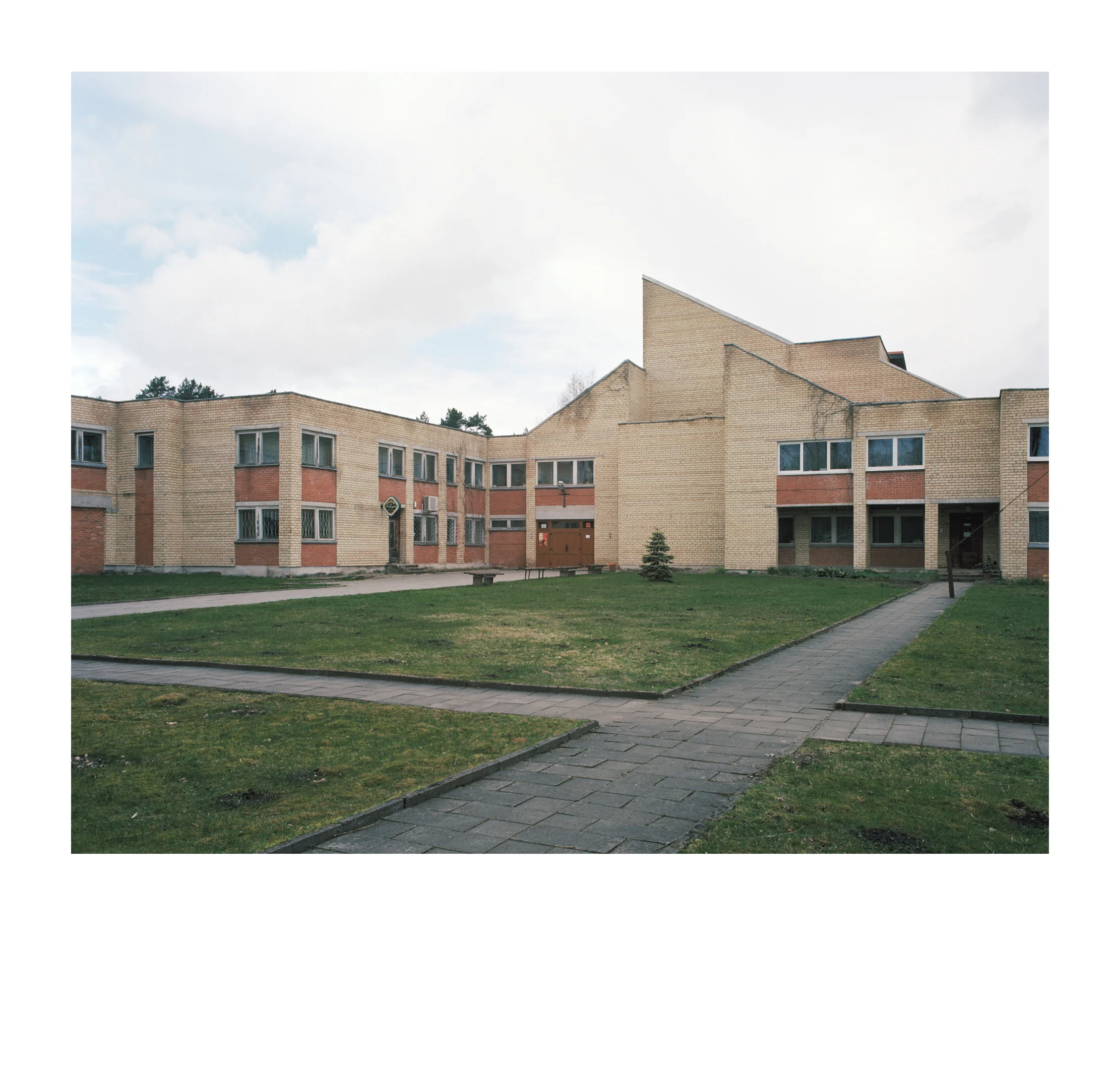
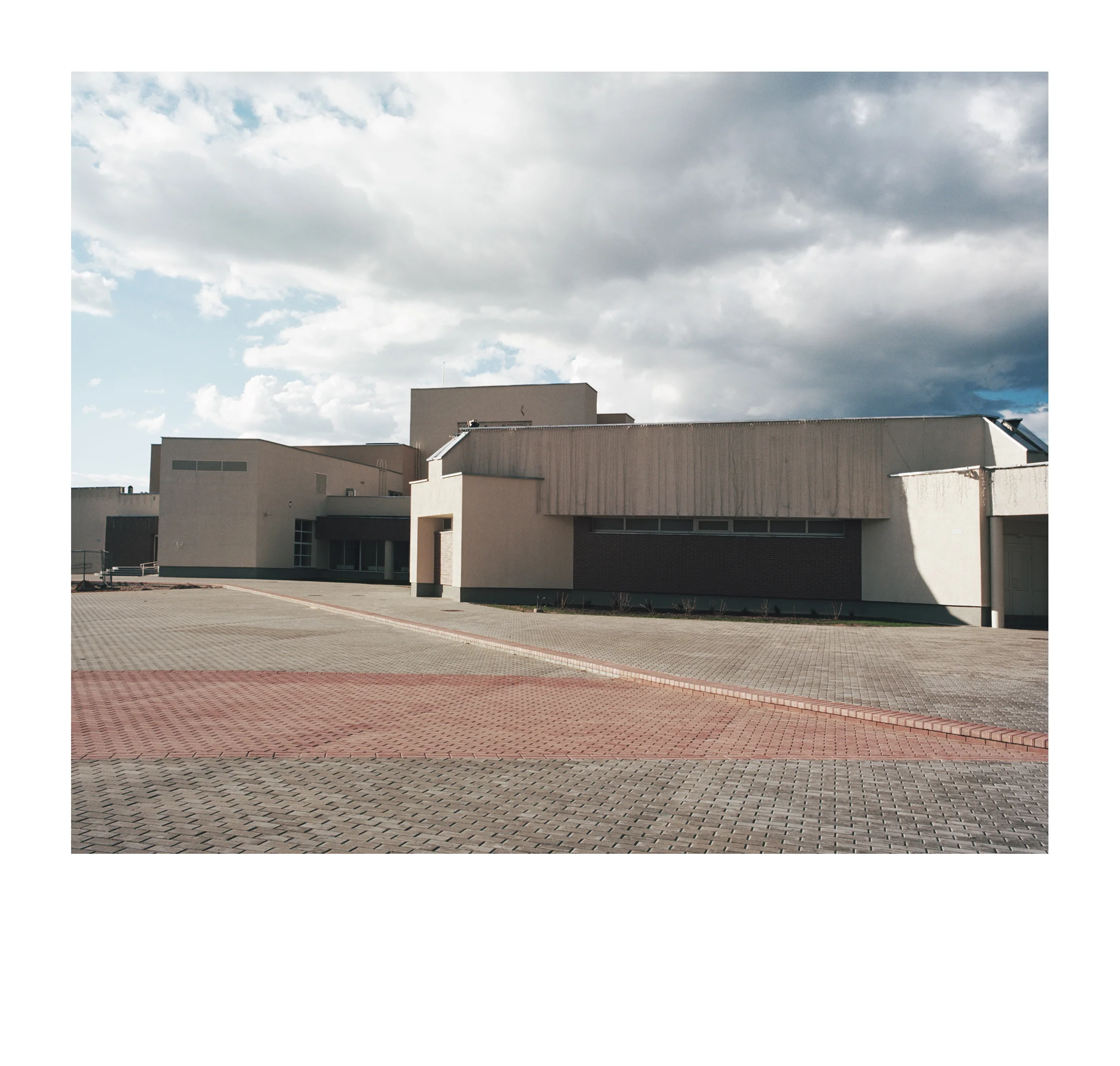
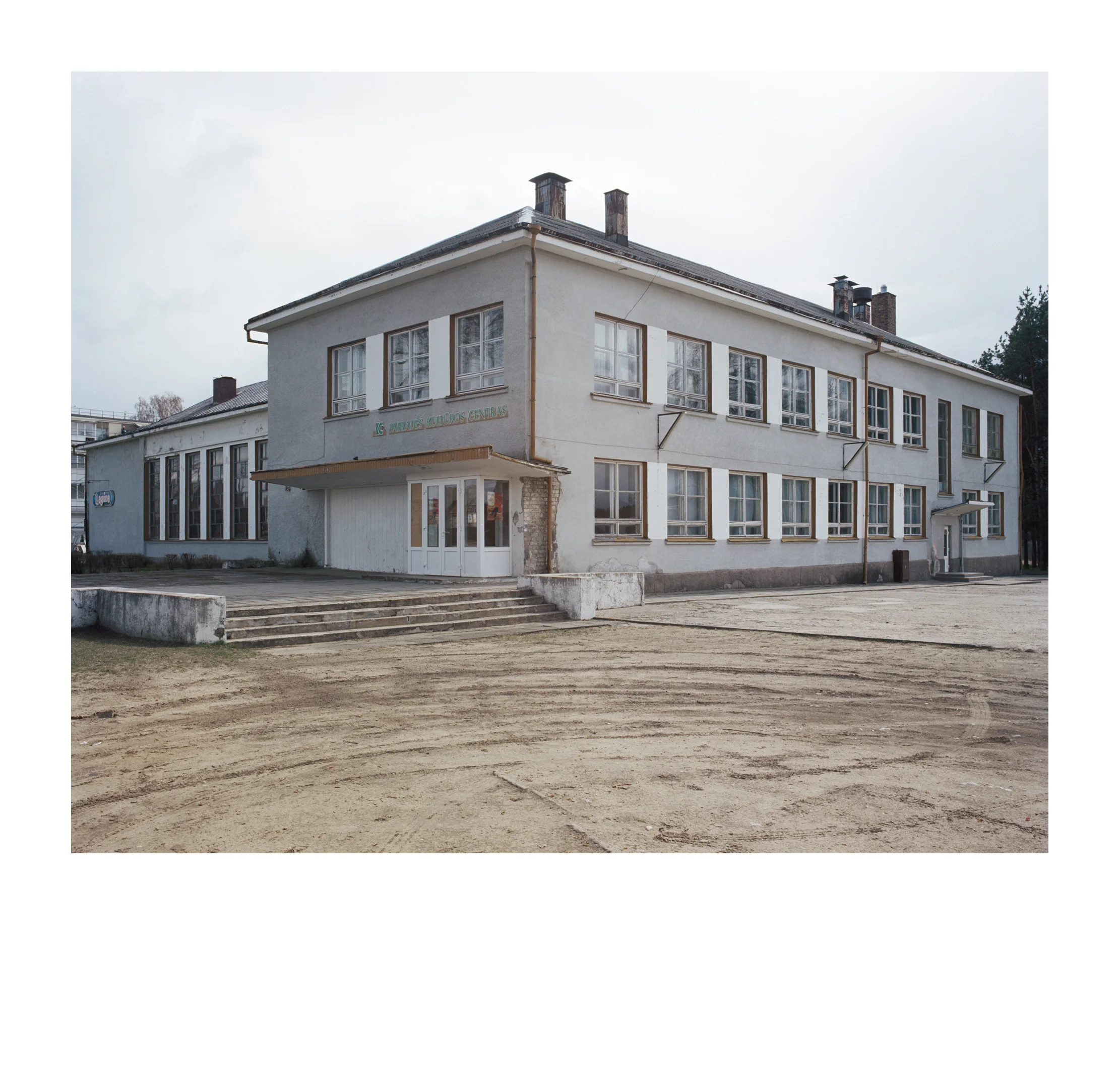
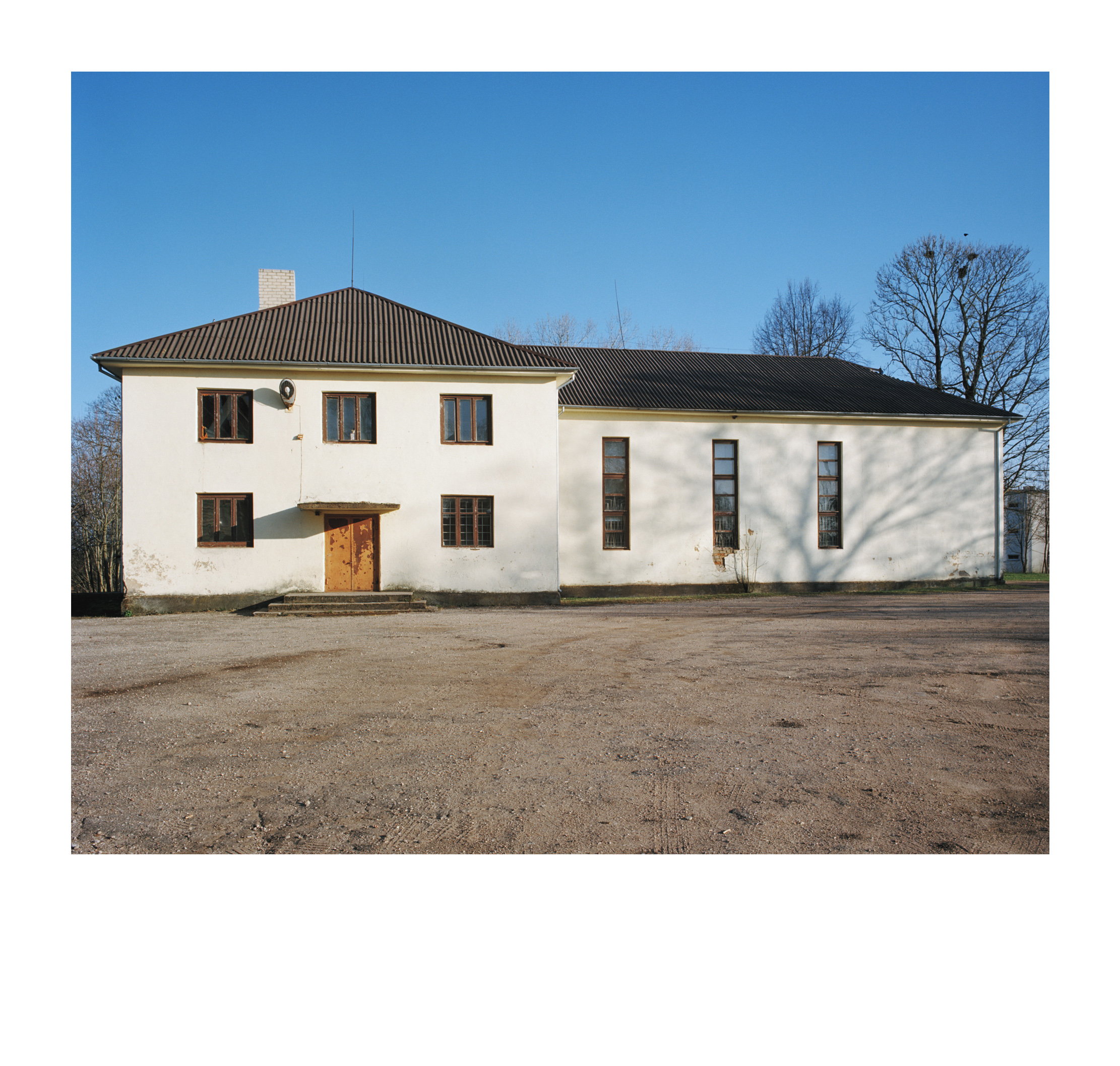
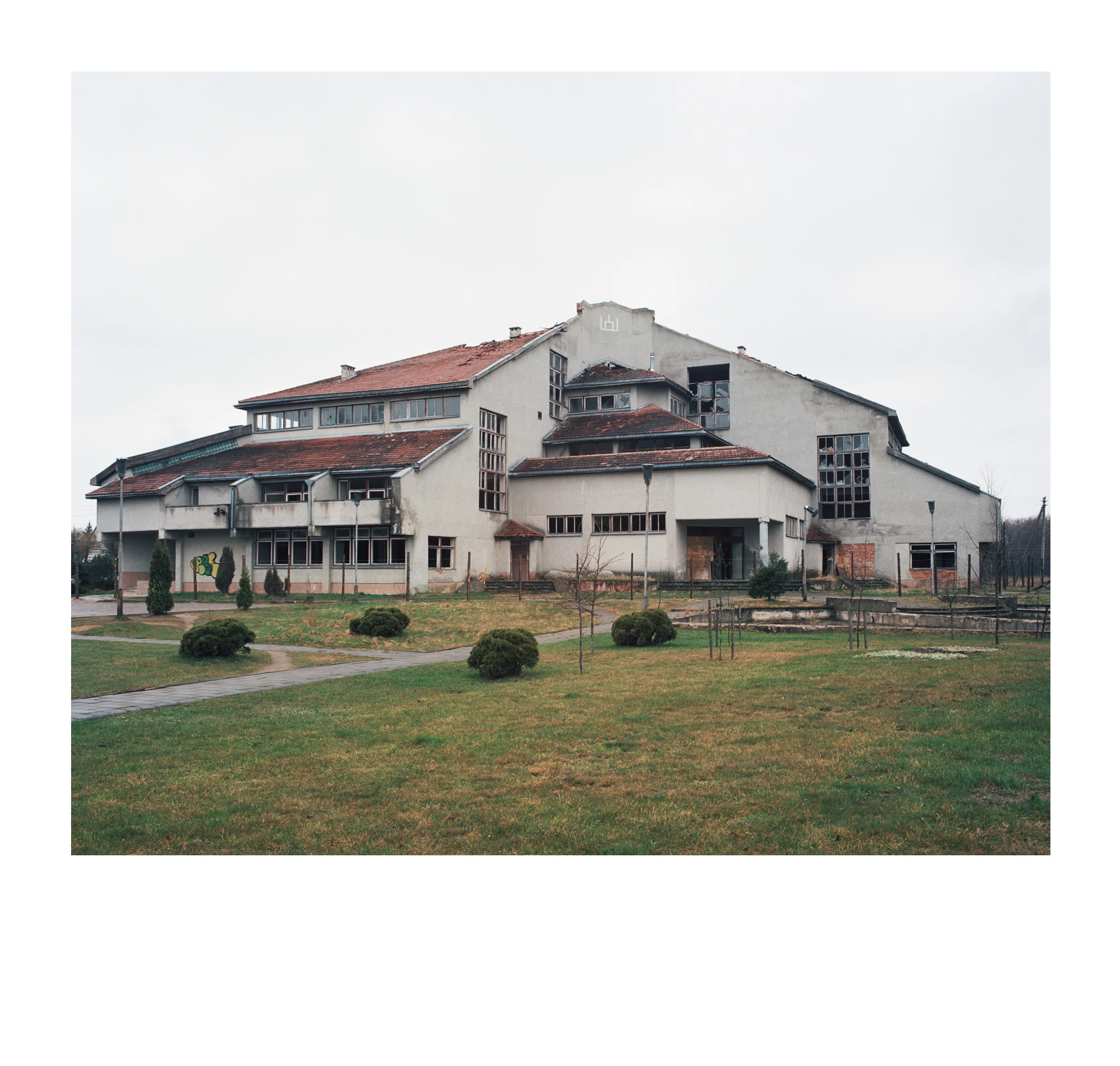
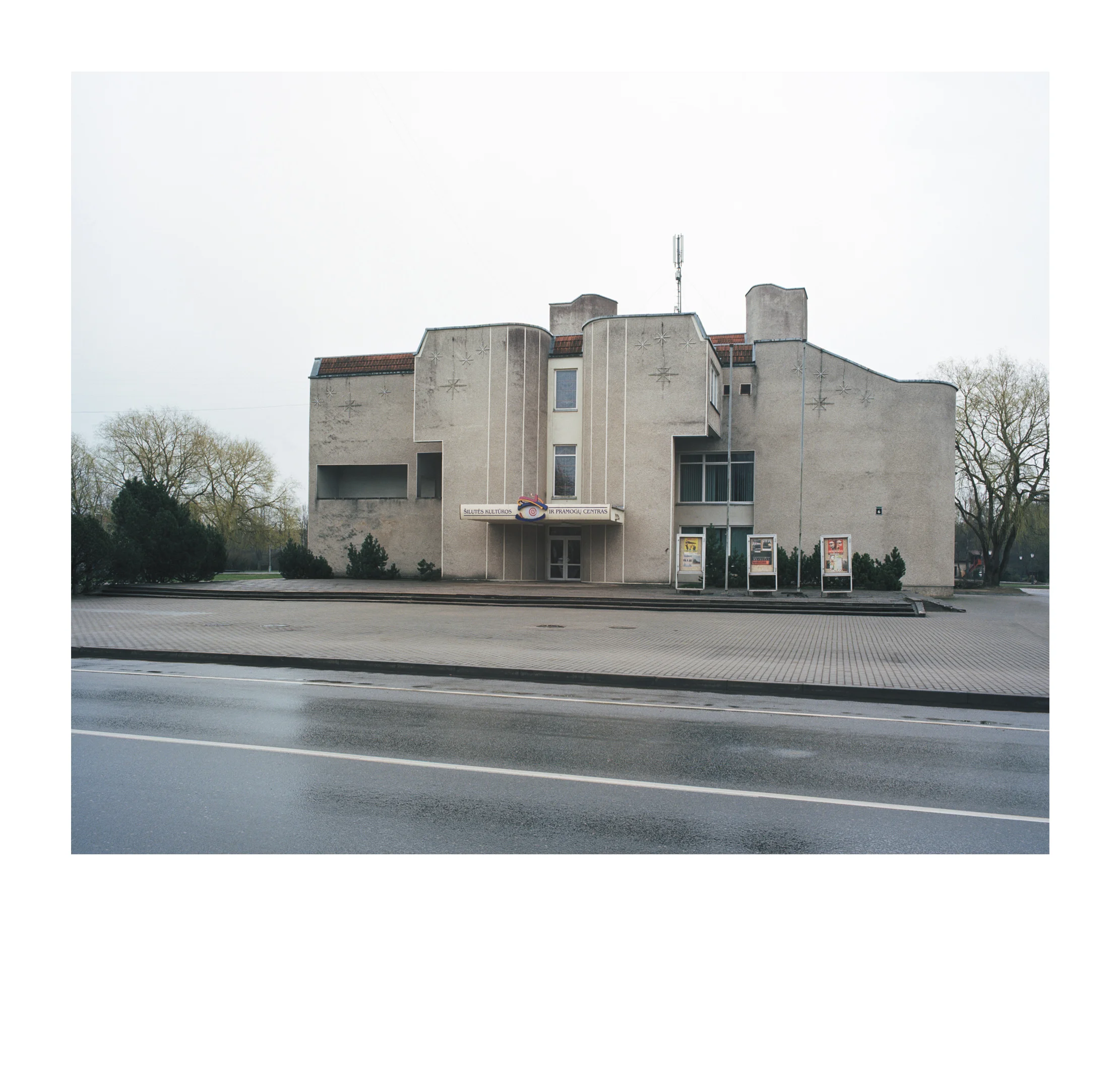
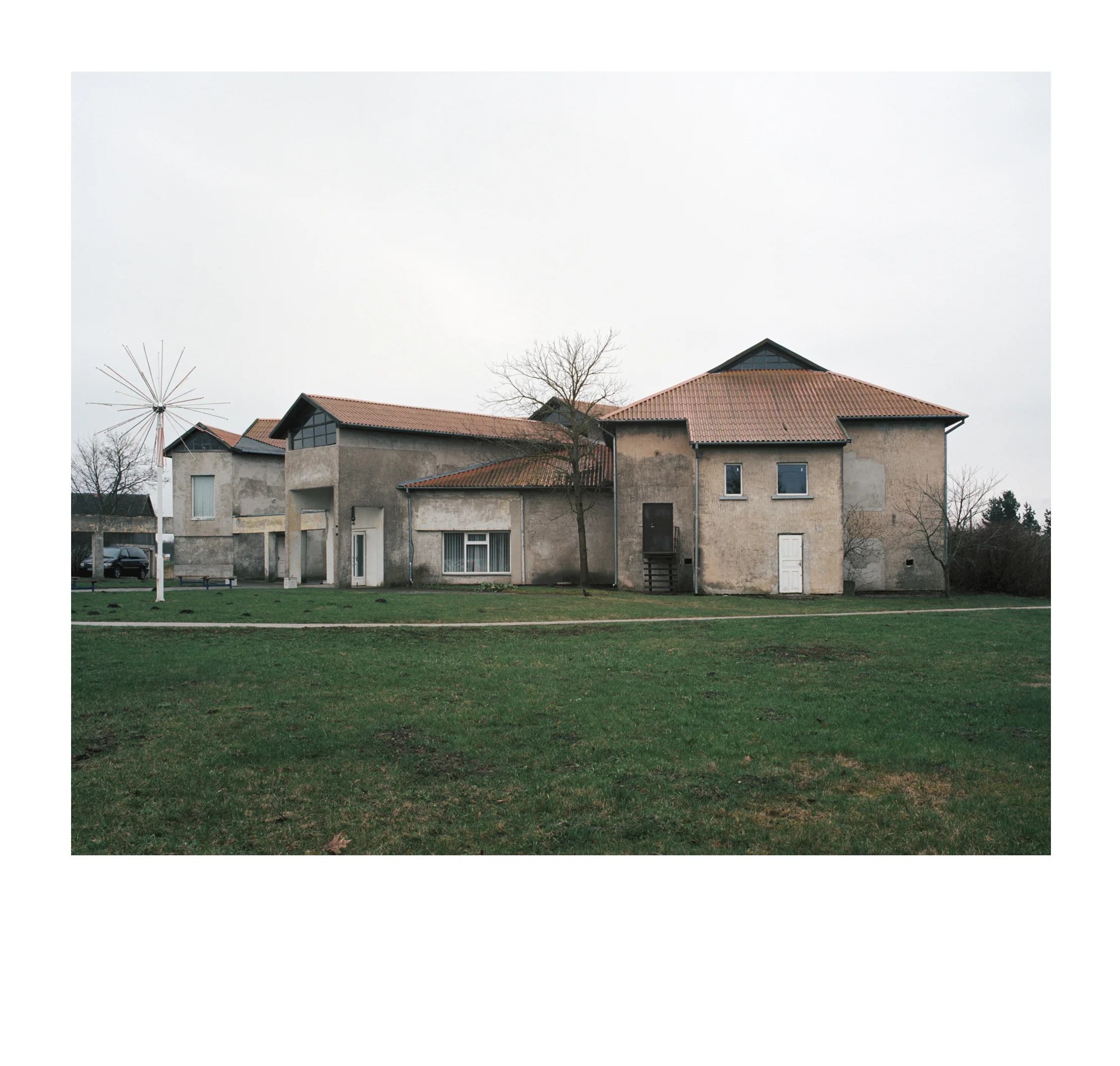
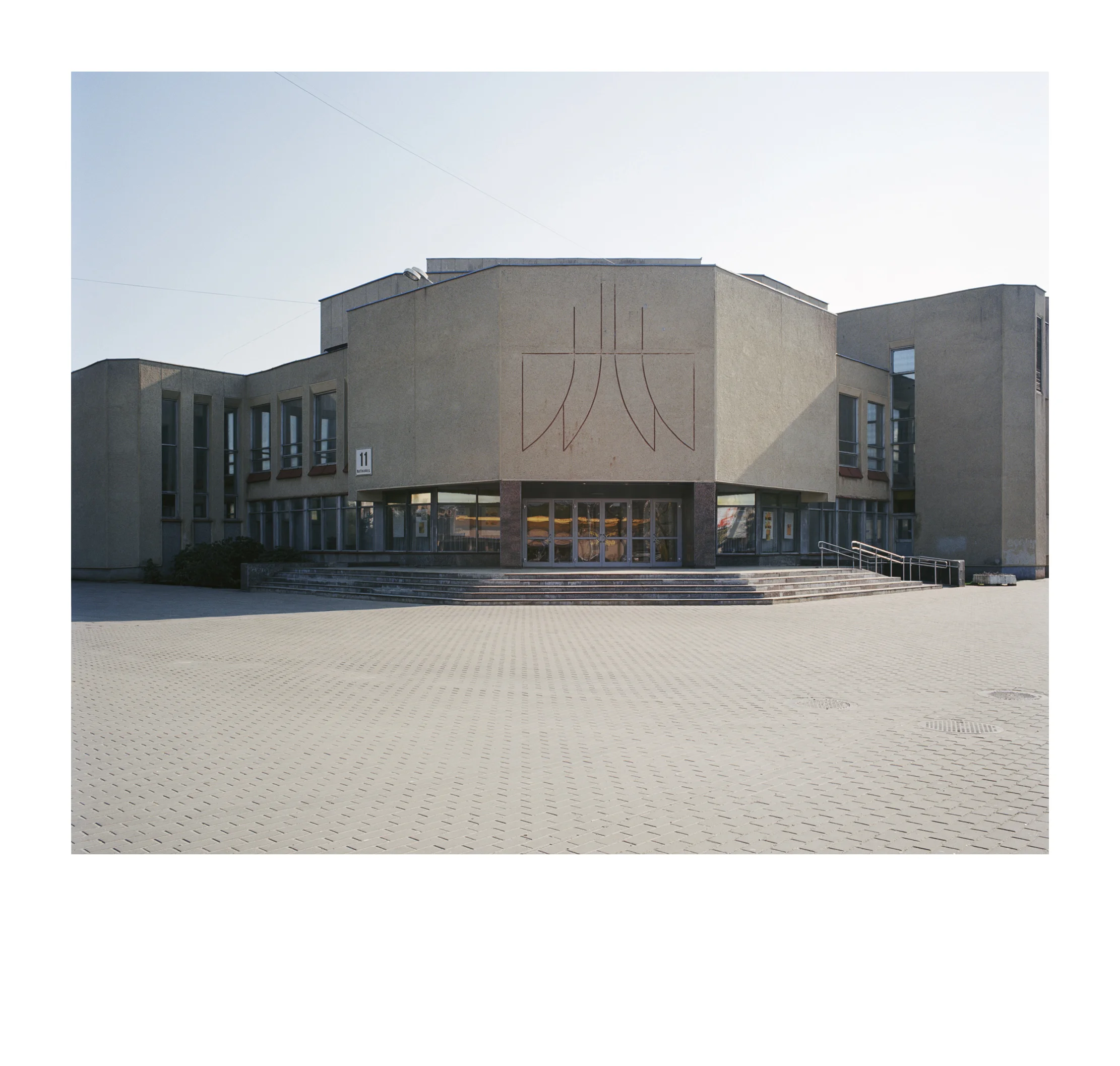
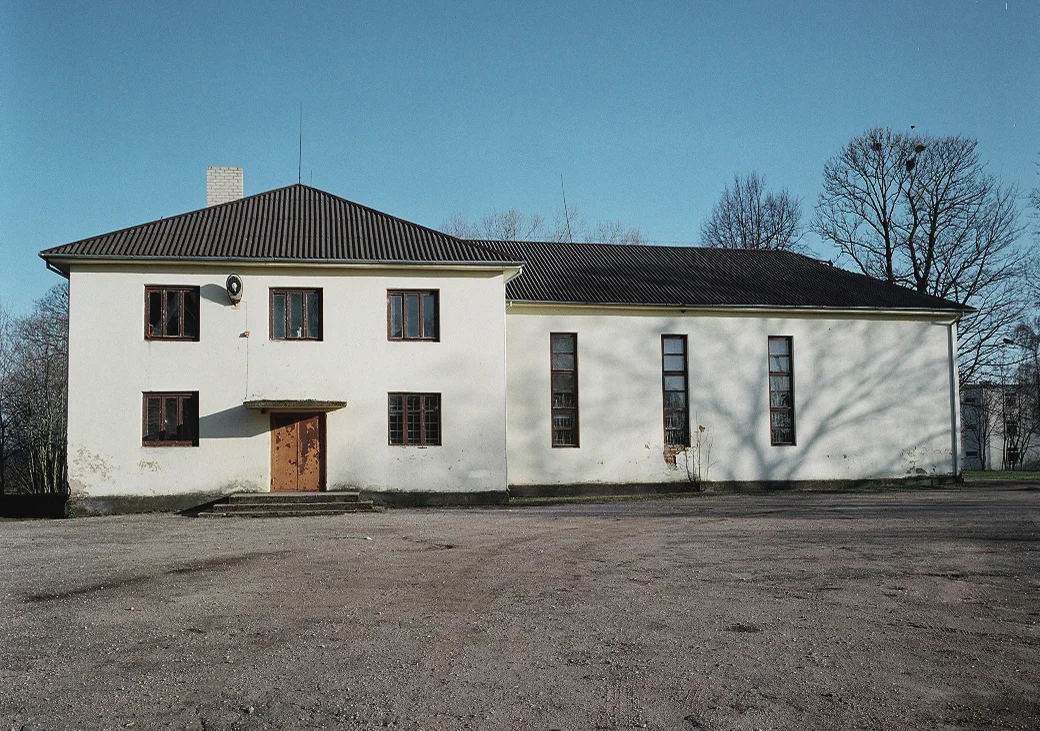
Alvydas Donėla’s photographic project “Culture houses” reflects a memory, and analyses the sociocultural field connecting Soviet times with today.
In those days, houses of culture were a symbol of a modern, prosper urbanistic neighborhood that the artist actualizes by raising problematic questions about the changes in this particular case. A cultural center, which was active in every little town or village, was home to a wide range of peripheral culture. This way, art was spreading all over the country. In three decades, nearly one thousand houses of culture were built as monotonic architecture; they reflected economical and ideological nuances, but also pointed to the range and measures the urbanization pursued.
After gaining independency, the country’s culture had centered in the major cities of Lithuania, where various kinds of cultural institutions were created, and consequently the discussed houses in peripheries lost their actuality. So together with the author, who is also a spectator from a distance, we can value these cultural buildings in the contemporary Lithuanian demographic, economical, and sociocultural sphere.
In the context of this project, images are represented in a typological manner that displays the strong impact of cultural houses as a part of a wide cultural field. By taking the mentioned role of a spectator, the author doesn’t provide a chance to look inside the buildings. The spectator is invited to value the contemporary cultural situation considering his or her own personal experiences, and to raise some valuable questions about the modern needs of a social and cultural society. Those needs might be decided in the future houses of culture of Lithuania.
“Culture houses” presents the typology of cultural institutions of Lithuania and analyses sociocultural contexts in a minimalistic expression in terms of style, following Düsseldorf’s documental photography tradition. Neutral and distant, the author’s position as well as moderate technical decisions make us rethink the purpose of these buildings today.